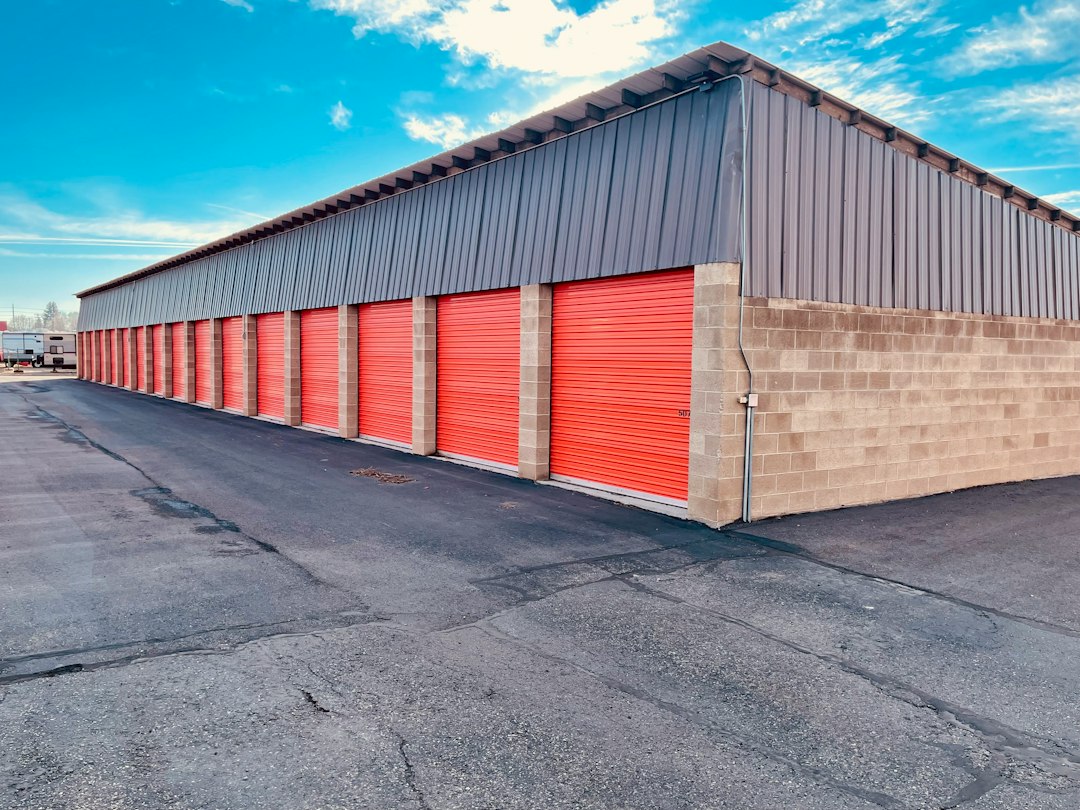
Stress-Free Practical Moving and Storage Solutions As you’re moving out of

Prepping Your Belongings Before the Truck Shows Up

Hi! Let’s kick off the number of boxes in the truck before you even lift one! By decluttering in advance, you’ll end up saving time, space, money, energy, AND you’ll be glad you took the time to do it STORAGE SERVICES IN CHICAGO.

First, remove everyday items you will want to keep packed. Include the basics – important documents, chargers, toiletries, basic clothes, and other essentials. Keep them in a place where you can find them easily.

Now, let’s go room by room. Figure out what you want to keep, what you want to donate and what you want to throw out. Moving all those items you don’t need to your new home just adds to the burden.

It’s worth making a basic inventory of your bigger stuff. Your furniture, big appliances, tech equipment and any breakables should be documented.

Packing Each Item Properly

Everyone needs protection of the right kind.

Books are heavy – better to find smaller boxes to pack them in. Clothes might be the best packers: You can fill up bigger boxes and they still won’t be too heavy to move. And for plates and glasses, you’ll want to wrap each one up so they don’t bump into each other.

Apply protective paper, foam, blankets, stretch film, and containers if necessary to avoid scratches and breakage. Cover furniture, if needed, to keep it safe, especially furniture with glossy or fragile coating.

Label every box, be sure to include the receiving room and contents on the outside. An easy to read label can save you an endless number of minutes searching for something.

Create a designated box for everything you might need to grab in a hurry. Include supplies such as basic cleaning supplies, a few kitchen essentials, chargers, toiletries, and an extra outfit.

Making Use of Temporary Storage

Occasionally, the times don’t line up.

You may have to vacate your old premises before your new premises are available. Renovation may hold up your move or an office may need interim storage while being renovated.

Storage is your friend in these situations.

Depending on the property you can store furniture, appliances, documents, equipment, seasonal, and household boxes. Storage time can be a few days to months.

Before you rent, find out the size and how you can access the unit. Inquire about security, speed of payment, the locks on the unit and the environment of the unit. If you’re storing fragile or heat- or moisture-sensitive items, they may require additional protection.

Moving Large and Awkward Objects

Big furniture can be tricky.

A large couch could fit through your front door, and not find its way to the second floor. All sorts of furniture, computers, and appliances can be the same way.

Tools That Make Heavy Lifting Easy Professional moving companies commonly have dollies, ramps, straps, lifts, and pads to help them move heavy objects around your home.

Check width of doorways and the stairs before you actually move in. (Have a look at the size of the lift if you’re taking one.) Preparation can save you from the real awkwardness on your move-in day.

Keeping Business Moves Organized

Relocating your business is a whole other matter. The computers, the desks, the files, the inventory, and the equipment could have to move on top of the daily shutdown.

A staged move may even be more helpful. Begin with your less essential items and then move your most important equipment at a later date. When you finish with one lease, you can store your furniture in the first before moving to the new.

Develop a timetable that brings out priorities and deadlines.

Reviewing the Moving Agreement

Get a detailed quote before you decide on a transporter. Review what you will be paying for, like transport, packing, storage, delivery and insurance.

Inquire about the potential of additional charges.

Information about the well-being of your property makes your move less stressful. It may still be busier than you want but surprises are fewer and you will have more time to prepare for your new home.


Permanent LED Holiday Lights: What to Know

Thoughtful permanent LED holiday lights can change how a property looks and works after dark. The difference between pleasant light and an expensive headache often comes down to preparation. The goal is useful, comfortable light that suits the building and remains easy to operate. Start with real needs rather than chasing the brightest fixture or the longest feature list.

Permanent LED Holiday Lights used in an outdoor setting

Plan the layout before choosing parts

Map the roofline and the main viewing angles before choosing colors or animated effects. Walk the area after sunset and take a few photos from the street, driveway, and main entrance. Dark gaps are easier to spot in a photograph. So are beams that point into a window or make one corner look like an interrogation room.

Use the mapped route to calculate length, spacing, and access. Add a modest allowance for turns and changes in height, but do not hide a huge coil of unused cable behind a downpipe. If two options look equal on paper, think about how they will behave on a wet Tuesday night in February. A clear sketch also helps an installer quote the same job you have in mind.

Compare the details people notice later

Look for outdoor-rated components, smooth dimming, saved scenes, and a warm white option for ordinary evenings. Check how the light looks against brick, siding, timber, and landscaping. Warm white often feels relaxed around a home, while neutral white can make modern lines appear crisp. Strong saturated colors work better as occasional scenes than as the default every night.

Controls should make normal evenings easy. Create one calm everyday setting before building holiday or event scenes. Timers and dusk triggers save effort, although a plain manual control still matters when guests arrive late or the weather changes a plan. Fancy software is less impressive when nobody remembers which menu turns the porch on.

Install for weather and future service

Measure every run twice, leave sensible service points, and keep power connections away from standing water. Follow electrical and height-safety requirements, and bring in a qualified professional where fixed wiring or difficult access is involved. Outdoor ratings must match the actual location; a protected eave and an exposed garden edge do not face the same moisture.

Save a few simple scenes, check clips after severe weather, and replace damaged parts before the busy season. Keep a short record of product models, controller settings, and cable routes. That record turns a later repair from a guessing game into a small job. It also makes it easier to add a zone without undoing work that is already performing well.

Review the result from several distances on the first few nights. Lowering one section, shifting a schedule, or softening a color can improve the whole scene. Good lighting rarely shouts for attention. It quietly helps people move around, brings out the best parts of the property, and then gets on with its job.

Building a Strong Foundation for Franchise Development

How does a franchise develop? franchise development is when you develop the idea of an existing business and create the structure for other entrepreneurs to be able to successfully run that business too. When expanding beyond your local market, franchises have an added benefit of allowing you to access new customers while sharing the expansion workload with franchisees.

The process generally starts with a review of the current business system. Prior to franchising a business, the business owner needs to examine the factors that make the business effective. These may encompass the unique products, services, pricing, consumer goodwill, branding, operational procedures and marketing approach. The components should be systematized so they are easily taught and duplicated.

Documentation is a vital element in this process. Franchise owners require clear and straightforward information about day-to-day activities, employee duties, customer service, buying, advertising and quality standards. Having documentation helps to eliminate confusion and ensure consistency from one site to the next.

The other key aspect of franchise development is recruiting franchisees. It is important for the company to select those with proper financial backing, managerial skill, and enthusiasm for the industry. The quality of the relationship between franchisor and franchisee is a crucial factor leading to success and growth.

Learning shouldn’t end there! Business is dynamic and franchisees are sure to face unique challenges that become apparent only after the site opens. Education, operational assistance, marketing support and continued communication are key to franchisors helping franchisees meet the changing demands of today’s customers.

Local Market research can be used to grow franchisees: Different cities and counties have different population sizes, competition, customer habits and commercial conditions. With this knowledge franchise owners can make smarter decisions about location and marketing.

Hence, a successful franchise development program should be a win-win situation for both franchisor and franchisees. While, the franchisor gets the chance to grow its brand, the franchisee gets the opportunity to buy into a proven business and to be supported throughout.

By being smart about planning, training, communication and brand management, franchise development can be a viable plan for larger business reach and visibility.

Chicago Moving Valuation: Your Moving Valuation Guide Before Moving Day

Hello! As your big moving day nears, it’s common to be preoccupied with boxes, furniture, schedules, and access to trucks. However, there’s one thing that may not have been on your radar: valuation. It may seem trivial, but, believe me, it will matter if anything gets lost or broken free moving valuation Chicago.

So, what is moving valuation? Essentially, it’s the level of financial liability for your household goods assumed by a moving company while it is in transit. It is included as part of the moving contract and may affect the settlement of a loss or damage claim.

The first thing you should know is this: valuation is not equal to the cost of your move.

Read the Terms Before Signing

Most moving companies will provide you with several options for valuation at a price. Each option will have certain terms and limitations. For example, they could base their projected compensation on an items’ weight – which could result in some unexpected outcomes for high-value, low-weight items.

Think of the examples of a laptop, which could cost you a few grand but only weighs a couple of pounds or iPhone, which costs you a thousand dollars but only weighs a few ounces.

Additional coverage for an additional fee? Other options may provide you with more extensive protection. This document will outline what is and is not covered.

Make sure to read the small print. Watch for limits, deductibles, exclusions, payment limits, and deadlines for filing claims. If there’s anything you don’t understand, ask the mover to explain it to you in simple English.

Pay Attention to Chicago Access

Your apartment layout can affect how smooth your move goes. In Chicago, some buildings have tight staircases, and many older homes have limited space to navigate.

ELEVATOR RESERVATIONS may matter, as well. Certain buildings have designated times for moving, while others may have Loading Hours.

Then there are those tight corners.

A large sofa may have to weasel its way into the house through a small door, down the stairs, and around several turns before it reaches the truck. One bad move and it could be broken.

Notify your moving team if there are stairs, an elevator, a lengthy walk, no parking, or anything that is heavier or larger than normal.

Photograph Your Belongings

Take some photos before the load. Photograph your high-value furniture, electronics, and appliances, paintings, or any other high-value items.

Ensure that the damage is visible in all photos.

Make a simple inventory. Write down valuable items, an estimate of their value and where they are. Keep the receipts for your more expensive buys if possible.

Save all digitally. Phone folders or cloud storage can come to the rescue when your house is overwhelmed by boxes.

Know What Happens After Damage

Inquire about the company’s damage claim process prior to your move starting. Determine the time frame in which you’ll need to inform them of damage and the documentation you may require.

Additionally, see whether you can fix the broken items or take a different course of action for compensation.

All about Moving Valuation in Chicago By Upminster Moving & Storage – October 14, 2023 It is very useful to familiarize yourself with moving valuation in Chicago prior to your move so you know all the options you have and can avoid any unpleasant surprises.

Using Mini Storage Before a Move: A Packing Checklist

Moving dates create two problems at once: too many belongings and too little time. Using 迷你倉 before the handover can separate essential items from furniture and boxes that do not need to reach the new home immediately. The trick is to sort first, because an unplanned unit quickly becomes a second moving problem.

Organised belongings and boxes prepared for self storage

Sort belongings by when they are needed

Create three groups: items required during the move, belongings needed during the first week, and things that can remain stored. Identity documents, medication, chargers, basic clothing, and property paperwork should stay with the household. They are poor candidates for a box buried behind a dining table.

Give each room a short code and write it on at least two sides of every carton. Keep a separate inventory with a little more detail. Labels on box tops disappear once cartons are stacked, so side markings save time when the correct box is sitting halfway down a column.

Prepare furniture and fragile pieces

Clean and dry furniture before covering it. Remove legs, shelves, or handles where practical, then place fittings in a labelled bag attached to the matching piece. Photograph complicated assemblies before taking them apart. Breathable covers help protect surfaces without sealing in unnoticed moisture.

Wrap fragile items individually and fill empty spaces inside their cartons. Heavy books and dishes belong in smaller boxes; bedding and light clothing can fill larger ones. Test each box before sealing it. If lifting it requires a dramatic speech, divide the contents into two containers.

Load in the order of retrieval

Plan the unit before loading the vehicle. Long-term items should enter first and sit farther from the door. Boxes needed during the transition should enter later and remain near the front. Keep weight low, maintain an aisle, and avoid building unstable towers beside the entrance.

After moving in, photograph the layout and update the inventory with each group’s location. Confirm the rental end date, notice period, and access arrangements. If the home move is delayed, knowing the extension process in advance is far easier than negotiating it while surrounded by packing tape.